Writer · Scholar · Founder

Seishu Hamano濱野成秋

Writer, scholar of American literature, and founder of Japan Romanticism Academia

From formative experiences of wartime and postwar Japan to American literary studies, Hamano has continued to examine history and the human condition through fiction, criticism, Japanese poetry, recitation, and song.

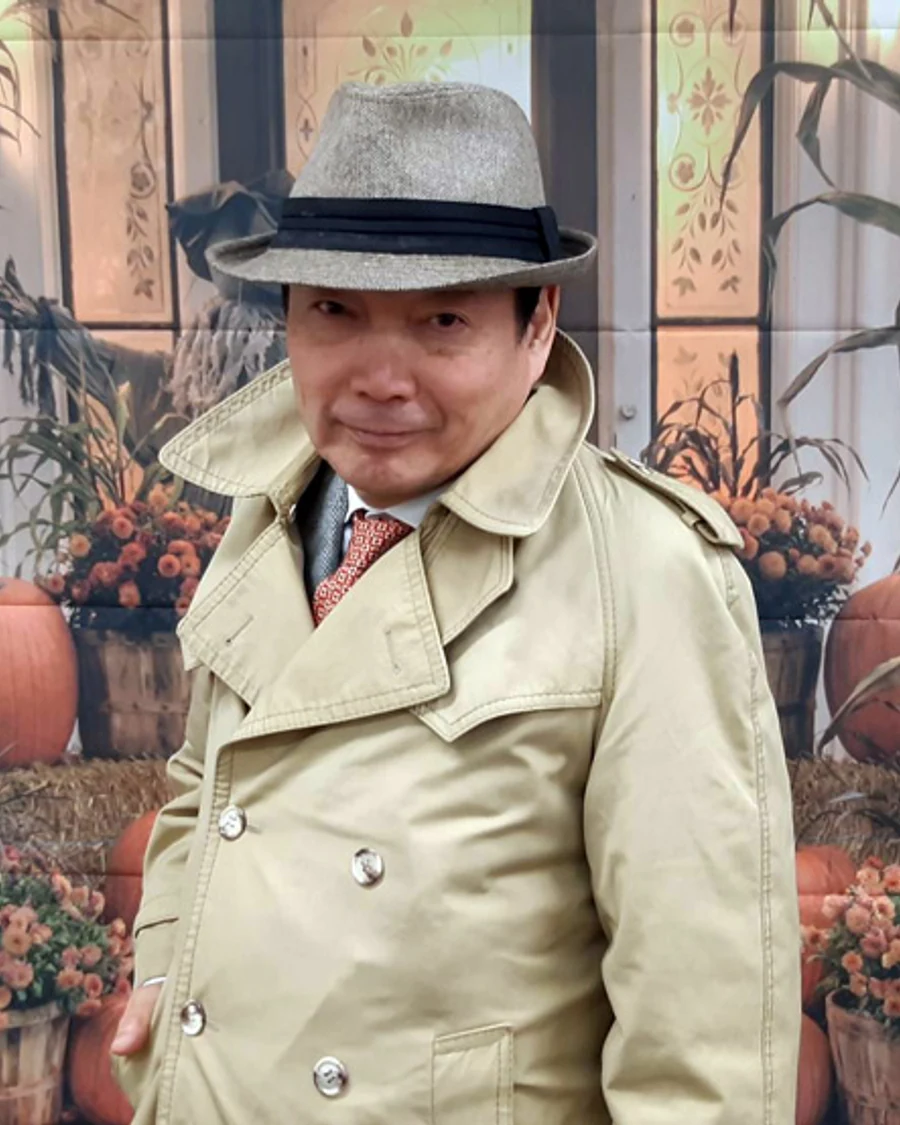
Portrait of Seishu Hamano
Seishu Hamano / 濱野成秋

“There is no dialogue in war.”

「戦争には対話がないですからね。」

— Seishu HamanoTranslated from a conversation with Takao Suzuki, published in 2020 (Japanese source) ↗

01

Life and ideas

A life in American literature and Japanese poetry

Seishu Hamano has worked in American literary scholarship, fiction, and criticism. His scholarly publications appear under his name Shigeo Hamano, written 濱野成生 and also catalogued as 浜野成生 (bibliographic record, Japanese source).

He experienced air raids in Joroku, Sakai, and learned English from occupation forces after the war. At Keio University, his interest in American youth culture and ideas led him to compare the Lost and Beat generations. He went on to research Jewish American literature and postmodern writing, and taught at institutions including the State University of New York at Buffalo.

From April 2001 to March 2002, he was a visiting researcher at the University of Tokyo’s Center for Pacific and American Studies. The center’s official newsletter (Japanese source, p. 11) records his affiliation at the time as professor in the Department of English, Faculty of Humanities, at Japan Women’s University.

Japanese poetry has been part of his life since childhood, alongside his later research and creative writing. In a conversation with Takao Suzuki (Japanese source), he recalls childhood poetry games and verse-making, as well as poetry readings in the United States. Through Japan Romanticism Academia, he continues to connect poetry with recitation and song.

SourceJapan Romanticism Academia, “Profile of Seishu Hamano” (Japanese source) ↗

02

One journey, four movements

Wartime and postwar experience, and a life connecting scholarship, fiction, poetry, and music.

  1. 01

    Early life

    Childhood poetry and encounters between cultures

    Growing up in Joroku, Sakai, he enjoyed poetry games and composing verse from childhood. He experienced air raids and learned English from occupation forces after the war, memories he recounts in his profile and a published conversation.

  2. 02

    Scholarship

    Studying and teaching American literature

    At Keio University, he compared the Lost and Beat generations. He researched Jewish American literature and postmodern writing, and also taught Japanese poetry to graduate students at the State University of New York at Buffalo.

  3. 03

    2001–2002

    Visiting research at the University of Tokyo

    A visiting researcher at the University of Tokyo’s Center for Pacific and American Studies from April 2001 to March 2002. The center’s record identifies his affiliation at the time as professor in the Department of English, Faculty of Humanities, at Japan Women’s University.

  4. 04

    Writing & cultural activity

    Creative writing and cultural activity alongside scholarship

    Alongside fiction and criticism, he has published work on Japanese recitation and written lyrics under the pen name Kahori Tachibana. His activities at Japan Romanticism Academia bring together poetry, recitation, and music.

03

Selected works

A selection from a body of work spanning scholarship, criticism, and fiction.

English titles are editorial translations unless an established English title can be confirmed.

2002

Scholarship, criticism, and recitation

『日米映像文学は戦争をどう見たか』

How Japanese and American Screen Literature Viewed War

A jointly edited volume comparing representations of war in Japanese and American film and screen narratives.

Supervised by Tadatoshi Saito; edited by Shigeo Hamano and others

Nihon Yuryo Tosho Shuppankai; distributed by Kinseido

04

Poetry · Voice · Music

When words become voice and song

Hamano also writes lyrics under the pen name Kahori Tachibana. These have been set to music and performed by Jun Hayama. Japan Romanticism Academia brings literary work to audiences through reading, recitation, music, and live events.

Watch the video and read the feature

Nagisa Bridge Blues — lyrics by Kahori Tachibana (Seishu Hamano), music and performance by Jun Hayama

CD: Seaside Love Stories

The Jun Hayama CD includes “Nagisa Bridge Blues” and “Onarimachi Blues,” both with lyrics credited to Seishu Hamano (Kahori Tachibana), music by Jun Hayama, and arrangements by 林建英.

View the track listing and credits (Japanese) ↗

Read poetry, explore recitation

Read Hamano’s poetry and essays at Japan Romanticism Academia, and explore his approach to the spoken word through his book on Japanese recitation.

05

Read & listen at Japan Romanticism Academia

New essays, poetry, recitation, performances, and event information are published by Japan Romanticism Academia.

Sources and editorial policy

The profile draws on Hamano’s and the Academia’s public records and university documents. Bibliographic details are checked against library and publisher records where available. Sources for bibliographic details and work descriptions are listed separately, and authorship and editorial credits follow the publication records. Unverified career details or individual contributions are not inferred.